01
Leh
About 3,500 m
Your base, with the palace, Shanti Stupa and the market
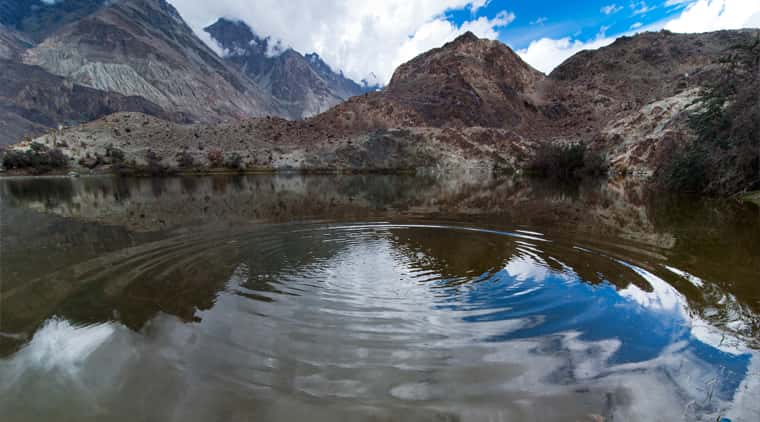
About May to September, when the roads to Nubra and Pangong are open. June to September is the most reliable. Leh is reachable by air all year, but the high lakes and passes are a summer trip.
Overview
The WayToIndia Leh Ladakh by air package is a 6 day, 5 night trip for people who want to see Ladakh but do not have time to drive in. You fly into Leh, rest for the height, and then visit the old monasteries of the Indus valley, the blue Pangong Lake, the sand dunes of Nubra Valley over Khardung La, and the Sham valley west of Leh. Leh sits at about 3,500 m, so the first two days are planned slowly to let your body adjust. We arrange your permits and a driver who knows these mountain roads. The best months are about May to September.
Driving to Ladakh from Manali or Srinagar is beautiful, but it takes many days and climbs slowly, which is kinder to your body. Flying into Leh saves those days, but it drops you straight to about 3,500 m. At that height the air holds much less oxygen.
So this trip is built around rest first. On day 1 you do almost nothing. On day 2 you stay near Leh. Only after that do you go up to Pangong, Nubra and the high passes. This order is not lost time. It is what keeps the rest of your trip safe and enjoyable.
Leh is high, and the lakes and passes are higher. Pangong Lake is at about 4,350 m. Chang La and Khardung La are both about 5,360 m. At these heights some people feel a headache, feel sick, sleep badly or get short of breath. This is called mountain sickness, and it can affect anyone, fit or not.
The cure is simple and it works. Rest for the first day or two. Drink plenty of water. Do not drink alcohol or smoke on the first days. Walk slowly and do not rush up any steps. If a headache gets bad, or you feel very sick or cannot breathe easily, tell your driver and go down to Leh at once, because going lower is the fastest cure. Leh has a hospital, and your driver can carry oxygen for the high passes. Please see your own doctor before the trip if you have a heart or lung problem.
Ladakh needs permits for Nubra, Pangong and a few other areas. Indian travellers now pay a Ladakh environment fee online, which works as your permit for these places. Foreign passport holders need a Protected Area Permit instead, which a registered Leh agent must arrange, often for a group of two or more.
We arrange all of this for you before you travel. Please carry your photo ID, and foreign guests their passport, and keep several printed copies, because the papers are checked at road check posts.
You fly into Kushok Bakula Rimpochee Airport at Leh, mainly on morning flights from Delhi. Flights are timed early because the mountain winds pick up later in the day, so a late flight is more likely to be delayed or turned back. Keep a spare day at the end of your trip in case a flight is cancelled by weather.
The Indus valley around Leh holds some of the oldest and finest Buddhist monasteries in India. Thiksey sits on a hill and looks a little like the Potala Palace of Lhasa, and it has a large Maitreya Buddha inside. Hemis is the biggest and richest monastery in Ladakh, and its masked dance festival each summer honours Guru Padmasambhava. Shey was the old royal palace and holds a tall gilt copper Buddha. In Leh itself you can see the nine storey Leh Palace and the white Shanti Stupa above the town.
Pangong Lake is the picture everyone knows, a long blue lake that changes colour through the day. It sits at about 4,350 m, and most of its length lies across the border in Tibet. It became famous after the film 3 Idiots, and the spot where the last scene was shot is now called the 3 Idiots Point. Nubra Valley, reached over Khardung La, is a green and sandy valley where you can see double humped Bactrian camels on the Hunder dunes and the giant Maitreya Buddha statue above Diskit.
Khardung La is often called the highest motorable road in the world, and its signboard says 18,380 feet. Careful GPS surveys put it at about 5,359 m, which is about 17,582 feet, still very high but not the highest. There are higher roads now in eastern Ladakh, such as Umling La. We tell you this so you are not surprised, not to take away from the thrill of the drive.
Most meals are at your hotel in Leh, and the food is simple and warming. You will find Tibetan momos and thukpa noodle soup, local breads, dal, rice and vegetables, and apricot from the Ladakh orchards. Butter tea is the local drink, salty and strong, and worth trying once. Tell us in advance if you want pure vegetarian or Jain food.
We checked the road distances on TomTom routing on 11 November 2026. The permit rules come from the Leh district administration and 2026 travel guides. The pass heights come from GPS and satellite surveys, not the old signboards. Fees change often, so we do not print them here. Please confirm the current rate with us.
About May to September, when the roads to Nubra and Pangong are open. June to September is the most reliable. Leh is reachable by air all year, but the high lakes and passes are a summer trip.
Couples, families, friends, first time Himalaya travellers with limited time, photographers, monastery and mountain lovers
Moderate: high altitude, long mountain drives
Day by day
A carefully paced plan, day by day. Tap any day for the stay, meals and altitude detail.
Today you land at Kushok Bakula Rimpochee Airport in Leh. Our representative meets you and takes you to your hotel. The most important thing today is to do very little. Your body has jumped straight to about 3,500 m, and it needs the day to adjust.
Rest at the hotel for the first few hours. Drink water often, and do not drink alcohol or smoke. If you feel fresh in the evening, take a gentle walk to the Leh market or sit at the Shanti Stupa for the sunset. Do not climb hard or walk fast today.
Special Tips for This Day: Breathe slowly and drink more water than you think you need. A mild headache on the first day is common, so carry a simple painkiller. Keep your trip insurance and medicine handy. A good first day of rest is what makes days 3 and 4 enjoyable instead of hard.
Today you stay near Leh's height and visit the monasteries of the Indus valley, which gives your body a second gentle day to adjust. You drive a short way down the valley to see three of Ladakh's finest monasteries.
Start at Shey, the old royal palace, which holds a tall gilt copper Buddha. Next is Thiksey, a twelve level monastery on a hill that looks like a small Potala Palace, with a large Maitreya Buddha inside. Then visit Hemis, the biggest and richest monastery in Ladakh, set in a side valley. If your trip falls around late June or early July, you may catch the Hemis festival, with its masked dances.
Back in Leh you can see the nine storey Leh Palace and walk the main bazaar. Keep the day easy and sleep early, because tomorrow is a long one.
Special Tips for This Day: Cover your shoulders and knees inside the monasteries, and take off your shoes at the prayer halls, so wear shoes you can slip off. Ask before you photograph the monks or the inside of a shrine. The midday sun is strong at this height, so wear a hat and sunscreen even when the air feels cool.
Today you make the long drive to Pangong Lake, so you start very early, often by 5 am. The road climbs to Chang La, a pass at about 5,360 m, where the army runs a small tea stall. Do not stay long at the top, because the air is very thin there.
Beyond the pass the road drops to Durbuk and Tangtse and then reaches Pangong Lake, a long blue lake at about 4,350 m that changes colour as the day goes on. Most of the lake lies across the border in Tibet. You will know it from the film 3 Idiots, and the spot where the last scene was shot is now called the 3 Idiots Point. Spend your time by the water, take your photographs, and then start back, because you must cross Chang La again before dark.
Special Tips for This Day: This is the longest day of the trip, and much of it is spent at great height. Carry a packed breakfast and lunch, water and warm clothes, even in summer. If anyone feels a bad headache or breathlessness at Chang La, do not linger, keep moving down. If you have one extra day, an overnight stay by Pangong is far more relaxing than the day return, and we can plan it for you.
Today you cross Khardung La into Nubra Valley. The pass sits at about 5,359 m, about 17,582 feet. Its signboard claims 18,380 feet and the highest road in the world, but careful surveys give the lower figure, and other roads are higher now. It is still a grand drive. Stop briefly for a photograph, then move on, as the air is thin.
The road drops into the green and sandy Nubra Valley, where the Shyok and Nubra rivers meet. At Hunder you can see the white sand dunes and the famous double humped Bactrian camels. Above Diskit village stands a giant statue of the Maitreya Buddha, looking out over the valley. After your visit you drive back over Khardung La to Leh for the night.
Special Tips for This Day: Start early, because Khardung La can get busy and the weather can change by afternoon. A camel ride at Hunder is charged extra, so agree the rate first. There is no mobile network in Nubra, so tell your family you will be offline for the day. Carry cash, as there are few ATMs.
Today is an easier day in the Sham valley, a short loop west of Leh. You see several famous spots close together without any very high pass.
Visit the Hall of Fame, the Indian Army museum near Leh, which tells the story of the Kargil war and life on the Siachen glacier. Stop at Gurudwara Pathar Sahib, a Sikh shrine looked after by the Army, linked by legend to Guru Nanak. See Magnetic Hill, where the slope of the land tricks your eyes into thinking a parked car rolls uphill. Then reach the Sangam near Nimmu, where the green Indus and the grey Zanskar rivers meet and flow on side by side.
In the evening you return to Leh. This is a good time for last shopping in the market.
Special Tips for This Day: The Hall of Fame is run by the Army, so carry a photo ID and follow the rules on photography inside. The light at the Sangam is best in the late morning, when the two rivers show their different colours most clearly. Buy your apricots and pashmina from a fixed price shop if you can.
Today you transfer to the airport early for your flight home. Leh flights leave in the morning, so there is no time for sightseeing today.
If your trip can spare it, keep a night in Delhi as a buffer, in case a Leh flight is delayed or cancelled by weather.
Special Tips for This Day: Reach the airport early, because security at Leh takes time and the airport is small. Keep any apricots or pashmina you buy in your main luggage, not your hand bag. Carry your permit copies until you leave, as they may be checked.
Travel tips
At this height, the altitude, the permits and the weather decide your trip more than anything else. Here is what you need to know, in one place, before you fly in and while you are there.
You fly straight to about 3,500 m, and the lakes and passes are higher. Mountain sickness can affect anyone, fit or not.
If you have a heart or lung problem, see your own doctor before the trip. Leh has a hospital, and your driver can carry oxygen for the high passes.
Ladakh needs permits for Nubra, Pangong and a few other areas. We arrange all of it for you.
The season is about May to September. Leh is reachable by air all year, but the high lakes and passes are a summer trip.
Khardung La and Chang La are both about 5,360 m, very high, but the old signboards overstate them.
Pangong is the picture everyone knows. It sits at about 4,350 m, and the day there is long.
Nubra is a green and sandy valley across Khardung La, about 120 km each way from Leh.
You fly into Kushok Bakula Rimpochee Airport at Leh, mostly on morning flights from Delhi.
Most meals are at your hotel in Leh, simple and warming. The things to take home are apricots and pashmina.
Thin air, blue water, a prayer flag in the wind.
Ladakh asks you to slow down, and then it gives you more than you came for. Rest for the height, respect the mountains and the army roads, and carry home a bag of apricots and the quiet of the high desert.
What's included
What travellers say
“Had a wonderful experience with way to india for my badrinath kedarnath yatra.everything was well organized-from travel accommodation to food. A special thanks to Ms. Neha who managed everything so beautifully n was extremely supportive n cooperative throughout the journey. They took great care of us n darshan was done very smoothly.”a month ago · Google
“A big thanks to Way To India for organising such a truly memorable and spiritually fulfilling experience during our 12 Jyotirlinga Darshan pilgrimage from 1st May to 18th May. They organized the entire journey exceptionally well, ensuring that every aspect of the trip was smooth, comfortable, and hassle-free. From transportation and hotel arrangements to darshan planning and coordination, everything was managed professionally. Despite the extensive travel across multiple destinations, the itinerary was well-structured, allowing us to complete all the Jyotirlinga darshans comfortably. Thanks to staff of Way To India, especially, Ms Neha, who was supportive, responsive, and attentive throughout the journey, always ready to assist whenever needed. Her dedication and careful planning made this sacred pilgrimage stress-free and enjoyable. I sincerely appreciate their excellent service, commitment, and hospitality. Highly recommend Way To India to anyone planning a spiritual tour, especially for the 12 Jyotirlinga Yatra. Thank you for making this divine journey so special and memorable.”5 months ago · Google
“We have successfully completed the 12 Jyotirlinga Yatra, with Waytoindia and it was a truly blessed and unforgettable journey. Every aspect of the tour was well planned and professionally organized, from transportation and accommodations to temple visits and sightseeing. Visiting all twelve sacred Jyotirlingas was a deeply spiritual experience. The itinerary was designed efficiently, allowing us to have darshan at each shrine comfortably while enjoying the cultural and religious significance of every destination. We sincerely appreciate the excellent support and coordination throughout the trip. The team was always available to assist, ensuring a smooth and stress-free pilgrimage. Thank you Waytoindia for making our dream of completing the 12 Jyotirlinga Yatra a reality. We highly recommend this tour to anyone seeking a well-organized and spiritually enriching pilgrimage experience. Har Har Mahadev! 🙏🕉️”5 months ago · Google
Travelled with Way to India?
Share your experience on Google — it takes a minute and helps fellow travellers plan with confidence.
FAQ
Six days and five nights is a safe length for a fly in trip. It gives you two gentle days for the height, then Pangong, Nubra and the Sham valley. Five days is the shortest sensible plan. Add two or three days if you want Tso Moriri lake or Turtuk village near the Pakistan border.
About May to September, when the roads to Nubra and Pangong are open. June to September is the most reliable, with warm days. Leh is reachable by air all year, but the high lakes and passes are a summer trip, so this package runs in the open season.
Yes, for Nubra, Pangong and a few other areas. Indian travellers pay a Ladakh environment fee online, which works as the permit. Foreign passport holders need a Protected Area Permit, arranged through a registered Leh agent, often for a group of two or more. We arrange all of it, and you carry your ID and several copies.
It can affect anyone, fit or not, because you fly straight to about 3,500 m. This is why days 1 and 2 are kept slow. Drink water, avoid alcohol and heavy effort at first, and walk slowly. If a headache turns bad or you cannot breathe easily, go down to Leh at once. See your doctor before the trip if you have a heart or lung problem.
No. Its signboard says 18,380 feet, but careful GPS surveys put it at about 5,359 m, which is about 17,582 feet. There are higher roads now in eastern Ladakh, such as Umling La. Khardung La is still a very high and exciting drive, which is why it is so popular.
About 160 to 220 km each way, over Chang La, which takes about 5 to 6 hours one way. A same day return is a long trip of eleven to twelve hours. If you have an extra day, we can plan an overnight by the lake, which is far more relaxing.
About 120 km each way over Khardung La, about 4 to 5 hours of driving. Nubra has the Hunder sand dunes, the double humped Bactrian camels and the giant Maitreya Buddha above Diskit. On this plan you visit it as a long day trip from Leh.
Yes, with a Protected Area Permit, which we arrange through a registered Leh agent. Foreign guests can visit Pangong, Nubra and most tourist areas, though some spots close to the border are restricted. Carry your passport, as it is checked at the posts.
The main concern is the height, not safety. Fit seniors and older children do well if they rest on the first days and go slowly. Anyone with a heart or lung problem should see a doctor first. This high altitude trip is not suitable for very young infants.
Pack warm layers, a windproof jacket, gloves, a cap and good shoes, even in summer, because the passes are cold. Carry sunglasses, sunscreen, lip balm and plenty of water for the sun and dry air. Bring cash and your regular medicines, as ATMs are few and there is no mobile network in Nubra and at Pangong.
You may also like
 2D / 1N
 5D / 4N
 5D / 4N
 5D / 4N
 3D / 2N
Tell us your dates and group size. A WayToIndia travel expert replies within a few hours with a plan you can customise freely. Planning India journeys since 2010.
Explore Way to India
© 2026 Way to India. All rights reserved.