 11D / 10N 5
9 days
8 nights
16+ yearscrafting India journeys · since 2010
Trustedby travellers worldwide
Local repsIndia + overseas support
No prepayfree customisation · GST invoice
Overview
Tour overview
Uttarakhand Holidays The Himalayas running through the exquisitely charming state of Uttarakhand leave behind the majestic trail of soaring peaks and lush green valleys. Thick jungles, picturesque lakes, meandering rivers and spectacular landscapes dominate the entire canvas.
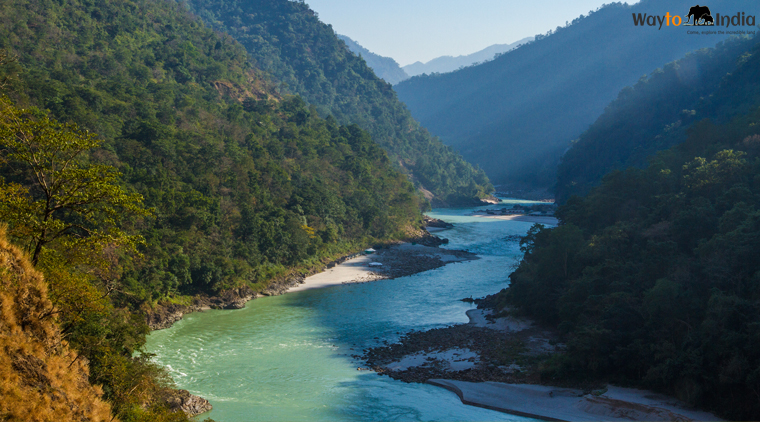
Uttarakhand is not only known for its majestic Himalayas and scenic beauty but also for its rare natural and cultural distinctions. The state is home to five of India’s most sacred rivers—the Ganga, Yamuna, Alaknanda, Mandakini, and Bhagirathi—many of which originate from glaciers hidden deep within its high mountains. Uttarakhand hosts India’s first national park, Jim Corbett, and also shelters some of the oldest living forests of the subcontinent. Several villages here, such as Mana near Badrinath, are considered the last inhabited villages before the Indo-Tibetan border. The region also preserves ancient Himalayan traditions like Van Devta (forest deity) worship, reflecting a rare harmony between people and nature. With its mix of untouched biodiversity, ancient pilgrimage routes, glacial lakes, and mystical mountain passes, Uttarakhand remains one of the few places where spirituality, wilderness, and history exist in their purest forms.
Uttarakhand offers a rare blend of divine energy, natural beauty, and timeless culture, making it truly unlike any other place.
Uttarakhand Holidays Himalayas running through the exquisitely charming state of Uttarakhand leave behind the majestic trail of soaring peaks and lush green valleys. Thick jungles, picturesque lakes, meandering rivers and spectacular landscapes dominate the entire canvas.
Uttarakhand is called Dev Bhoomi (Land of the Gods) because its Himalayas are believed to be the sacred abode of gods and sages. It is home to holy sites like the Char Dham, ancient temples, and the origins of sacred rivers such as the Ganga and Yamuna. Deeply rooted in Hindu mythology and spirituality, the land is revered as a divine region where faith, nature, and devotion come together. Uttarakhand is unique because it is one of the few places in the world where spirituality and nature exist in perfect harmony. Snow-covered Himalayan peaks, sacred rivers born from glaciers, ancient pilgrimage routes, and untouched forests all come together here.
Nature walks, hiking and trekking, boating, yachting, rope-way rides, wildlife expeditions and spectacular views of snow-capped peaks are best experienced than told. Scores of temples, colonial structures and secluded cottages complete the picture for a delightful tour.
Tour highlights
Tarkeshwar Mahadev Temple at Lansdowne.
Haidakhan Temple in Ranikhet.
Jageshwar Temple
Lansdowne
Kasar Devi Temple near Almora.
Bulla Tal Lake,
Ranikhet
Golu Devta Temple
Bheemtaal
Jim Corbett National Park
Sattaal
Day by day
Day-by-day itinerary
A carefully paced plan, day by day. Tap any day for the stay, meals and altitude detail.
The Uttarakhand Holidays tour begins as we receive you at the Delhi Airport or railway station. Get started with the journey as we drive you to the first destination Lansdowne, a quaint hill station originally developed by the British.
Lansdowne is a quiet and charming hill station in Uttarakhand, known for its untouched beauty and colonial-era heritage. Established by the British in 1887, it still retains an old-world charm and serves as the headquarters of the prestigious Garhwal Rifles of the Indian Army. Unlike many popular hill towns, Lansdowne remains peaceful and uncrowded, with no bustling mall roads, making it ideal for travelers seeking calm and relaxation. Surrounded by dense oak and blue pine forests, the town enjoys clean air, scenic views, and a rich variety of birdlife. Strict cantonment regulations have helped preserve its cleanliness and natural beauty, making Lansdowne one of the most serene and well-maintained hill stations in Uttarakhand.
Check in at the hotel and relax. For the remaining part of the day, you are free to savour the overwhelming beauty of blue pines and oaks all around. Pollution-free environment and rejuvenating weather of the place shall mark a great beginning of the tour.
Be ready for a heart-warming exploration of the region after breakfast. Visit the top attractions like Bulla Tal Lake, Tarkeshwar Mahadev Temple and the Churches of St. John’s and St. Mary’s. Christian Cemetery and Tiger Cave are other highlights of the tour.
Bulla Tal Lake is a serene and lesser-known freshwater lake,surrounded by dense oak and pine forests. The lake is known for its clean surroundings and peaceful atmosphere. Visitors can enjoy boating on the calm waters while soaking in the tranquil natural beauty. Unlike crowded tourist spots, Bulla Tal offers a quiet retreat, making it a perfect place to relax, unwind, and experience Lansdowne’s untouched charm.
Tarkeshwar Mahadev Temple holds a rare and mystical significance, this ancient shrine is believed to be a powerful Tapasthali (meditation site) where sages performed intense penance to please Lord Shiva. A rare belief associated with the temple is that wishes made here with a pure heart are fulfilled, which is why devotees often tie bells in the temple परिसर as a symbol of gratitude.
Later visit the 19th century Garhwali Mess, known for its splendid architecture and heritage value. You will also be visiting the Garhwal Rifles War Memorial dedicated to the regiment which participated in each of the two World Wars.
Join an enjoyable walk to the Tiffin Top (Tip-n-Top), a vantage point offering breathtaking views of the Himalayan peaks. Few parts of Tibet are also visible from the spot. Save your appreciation for the astonishing Bhim Pakora, a pile of two self-balancing rocks that weigh several thousand kg. It is possible to move the upper rock even with a finger, but impossible to bring it down.
Take a small excursion to the Karnva Ashram, associated with the great legend of Shakuntala and Bharat, the characters of Kalidasa’s eternal literature. Return to the hotel late evening.
After an early morning breakfast, depart for Ranikhet, a picturesque hill station beautifully nestled in the Himalayas.
Ranikhet is a charming hill station in Uttarakhand, known for its peaceful environment, lush green meadows, and breathtaking views of the Himalayan peaks. Situated at an altitude of around 6,200 feet, Ranikhet literally means “Queen’s Meadow” and lives up to its name with its scenic beauty and calm atmosphere.
Upon arrival, check in to your hotel and take some time to relax. Later, proceed for a full-day sightseeing tour of Ranikhet, covering popular attractions such as Chaubatia Gardens and Orchards, Jhula Devi Temple, Katarmal Sun Temple, Haidakhan Temple, KRC Museum, the scenic Ranikhet Golf Course, Syalikhet Village, and Bhalu Dam. The day offers a perfect blend of natural beauty, heritage, and spiritual experiences.
After breakfast, set out for a memorable day excursion to Almora, a charming hill town and the cultural heart of the Kumaon region. Nestled amid lush green forests and winding rivers, Almora showcases nature in its pure and untouched form. Enjoy breathtaking views of the snow-clad Himalayan ranges and expansive valleys that create a truly mesmerizing landscape. During the sightseeing tour, visit popular attractions such as Deer Park, Chitai Golu Devta Temple-The temple is famous for the thousands of bells hanging from its walls and trees, offered by devotees as a token of gratitude after their wishes are fulfilled. Bright End Corner, Jageshwar Temple-Jageshwar is one of the oldest Shiva temples in India, dating back to around 7th–12th century CE, showcasing ancient Nagara-style architecture. Kasar Devi Temple,- its religious significance but also for its unique energy field, which some visitors claim is similar to the Earth’s magnetic vortex, making it a magnet for spiritual seekers and meditators and the vibrant Lal Bazaar, known for its local crafts and culture.
For adventure enthusiasts, an optional Almora–Jageshwar trek can be planned between October and March. This low-altitude trek is ideal even for beginners and takes you through scenic forests, green fields, and quaint villages, with trails lined by rhododendron and deodar trees. Key highlights of the trek include spiritual visits to Jageshwar Temple and Kasar Devi Temple. By evening, return to Ranikhet, enjoy a relaxing dinner, and retire for a restful overnight stay.
Today, you will be driven to one of the best honeymoon locations in India, the city of Nainital. Finish your breakfast and enjoy the scenic drive to the hill station. As you arrive at Nainital, check in at the hotel and relax. The remaining part of the day is for you to spend at leisure.
Some possible activities would be to take leisurely stroll along the Naini Lake which lends its name to the place; visit the shops at the Mall Road and admire the unbelievable sight of the entire area lit up with lights at night. Get back to your hotel late evening and enjoy your dinner.
Start your day with a refreshing breakfast before heading out for a full-day sightseeing tour of Nainital. Begin by visiting the famous pear-shaped Naini Lake, where you can enjoy boating amidst breathtaking natural surroundings. Explore other notable attractions such as the Naina Devi Temple, Nainital Zoo, St. John’s Church, and the Eco Cave Garden. For adventure lovers, a ride on the aerial ropeway offers stunning panoramic views of the town and surrounding hills. Return to your hotel by evening for a relaxing dinner and overnight stay.
Check out from the hotel after having lunch and get ready for visiting Jim Corbett National Park, one of the oldest wildlife reserves in Asia. On the route, you will be visiting the places like Bhimtal, Naukuchiatal and Sattal, each famous for its splendid lakes and scenic beauty.
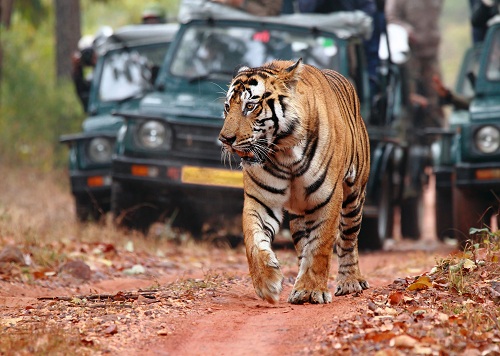
Continue the journey to Corbett and check in at the forest resort or lodge on arrival. Feel the thrill of staying close to the wild, well-known for being abode to the royal Bengal tigers. You may choose an optional jeep safari ride through the park after lunch.
Begin the thrilling day with breakfast and get prepared for a tiger jeep safari. You have the great chances to cross paths with the undisputed king of the jungle, the tiger. Watch other wild animals before getting back for breakfast.
You may opt for the elephant safari ride after lunch for another tryst with the wild. Enjoy your dinner at the end of the day.
Enjoy the final tiger safari trip to the forest before breakfast.
Get back to the resort or lodge and have your breakfast. Pack your bags and check out for the final journey which takes you back to Delhi.
The tour ends here...
Travel tips
Travel Tips
Travel Tips for Uttarakhand Holidays
Plan as per season: Summers (April–June) are ideal for sightseeing and pilgrimages, while July–September is best for greenery but comes with monsoon rains. Winters are cold but great for snow lovers.
Pack smart: Carry warm layers even in summer, along with rain gear, comfortable walking shoes, sunscreen, and basic medicines.
Health & fitness: High-altitude areas may cause breathlessness—walk slowly, stay hydrated, and allow time for acclimatization.
Respect local culture: Dress modestly at temples and follow local customs, especially in sacred areas.
Start early: Mountain roads are best traveled during daylight due to weather changes and narrow routes.
Stay eco-friendly: Avoid plastic, do not litter, and respect forests and wildlife—Uttarakhand is ecologically sensitive.
Connectivity: Mobile networks can be weak in remote areas, so keep offline maps and cash handy.
Permits & registration: Some treks and pilgrimages require prior registration—always check in advance.
What travellers say
What travellers say
4.7
Way to India · rated 4.7★ on Google across 46 reviews
Y
Yashvind Kumar Poteeram★★★★★
“A big thanks to Way To India for organising such a truly memorable and spiritually fulfilling experience during our 12 Jyotirlinga Darshan pilgrimage from 1st May to 18th May. They organized the entire journey exceptionally well, ensuring that every aspect of the trip was smooth, comfortable, and hassle-free. From transportation and hotel arrangements to darshan planning and coordination, everything was managed professionally. Despite the extensive travel across multiple destinations, the itinerary was well-structured, allowing us to complete all the Jyotirlinga darshans comfortably. Thanks to staff of Way To India, especially, Ms Neha, who was supportive, responsive, and attentive throughout the journey, always ready to assist whenever needed. Her dedication and careful planning made this sacred pilgrimage stress-free and enjoyable. I sincerely appreciate their excellent service, commitment, and hospitality. Highly recommend Way To India to anyone planning a spiritual tour, especially for the 12 Jyotirlinga Yatra. Thank you for making this divine journey so special and memorable.”3 weeks ago · Google
A
Aruna Persand★★★★★
“We have successfully completed the 12 Jyotirlinga Yatra, with Waytoindia and it was a truly blessed and unforgettable journey. Every aspect of the tour was well planned and professionally organized, from transportation and accommodations to temple visits and sightseeing. Visiting all twelve sacred Jyotirlingas was a deeply spiritual experience. The itinerary was designed efficiently, allowing us to have darshan at each shrine comfortably while enjoying the cultural and religious significance of every destination. We sincerely appreciate the excellent support and coordination throughout the trip. The team was always available to assist, ensuring a smooth and stress-free pilgrimage. Thank you Waytoindia for making our dream of completing the 12 Jyotirlinga Yatra a reality. We highly recommend this tour to anyone seeking a well-organized and spiritually enriching pilgrimage experience. Har Har Mahadev! 🙏🕉️”a month ago · Google
Y
Yash Bhargava★★★★★
“We recently entrusted our honeymoon planning to 'Way to India', and it turned out to be one of the best decisions we made. From itinerary finalization to on-ground execution, everything was handled with remarkable professionalism, warmth, and attention to detail. Every aspect of our trip — flights, hotels, transfers, experiences, and even the small thoughtful touches — was perfectly curated. The itinerary was balanced, well-planned, and tailored exactly to what we wanted. We never had to worry about a single thing; all arrangements were seamless and absolutely hassle-free. What truly stood out was their responsiveness and genuine care. They were always available, always patient, and consistently went the extra mile to ensure our journey was special. Special thanks to Neha Ma'am for planning everything. We are incredibly grateful and wholeheartedly recommend their services to anyone looking for a stress-free, personalised, and delightful travel experience. Thank you for making our honeymoon truly magical!”4 months ago · Google
Travelled with Way to India?
Share your experience on Google — it takes a minute and helps fellow travellers plan with confidence.
You may also like
Similar journeys

Ready to plan your Uttarakhand Holidays?
Tell us your dates and group size — a WayToIndia travel expert replies within a few hours with a plan you can customise freely. Planning India journeys since 2010.
✓ No payment now✓ Free customisation✓ GST invoice✓ India + overseas support